
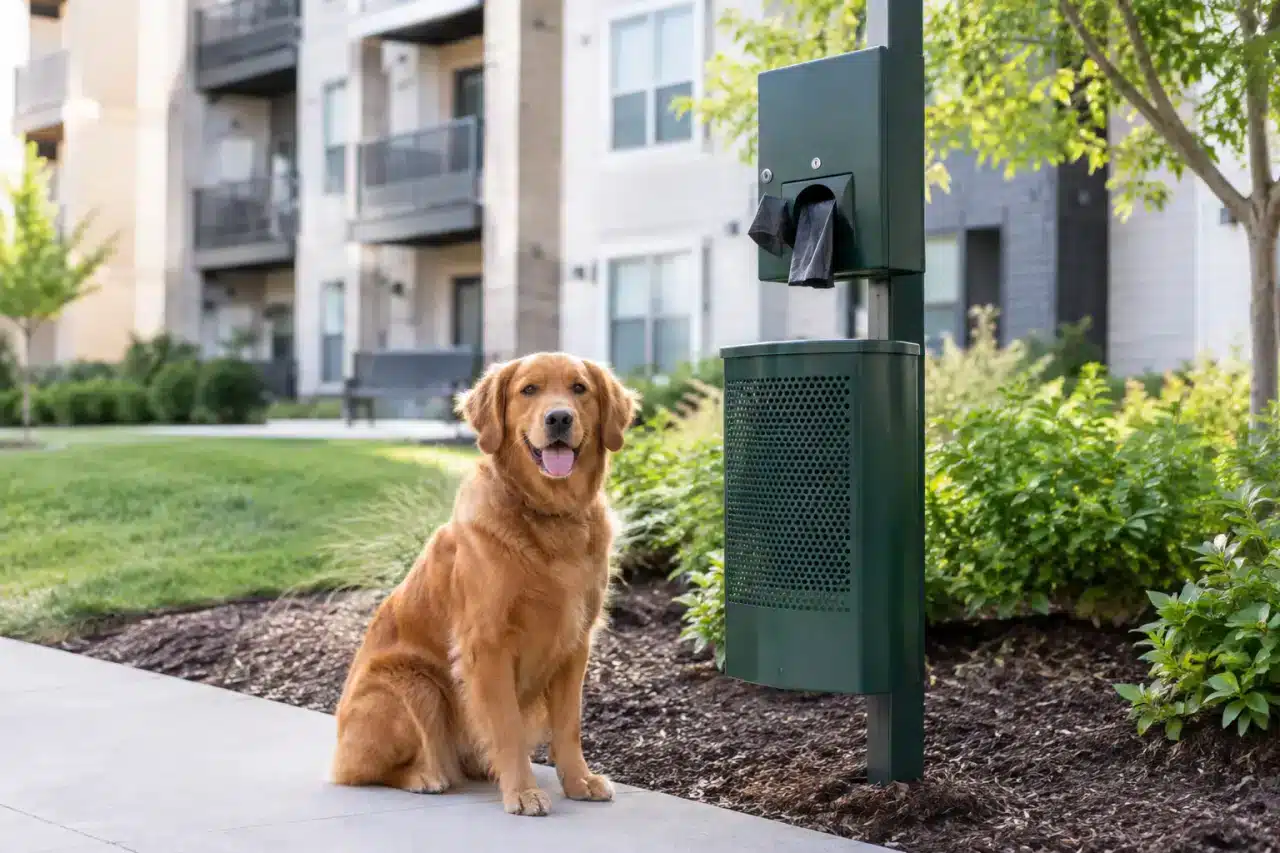
A full trash can beside a dog run does more than look neglected. It sends residents, prospects, and maintenance teams a clear message about how shared spaces are managed. A dependable apartment pet waste station service keeps pet-friendly communities cleaner by stocking supplies, removing waste on schedule, and catching small sanitation problems before they become resident complaints.
For apartment and condominium communities, pet waste management is not simply a courtesy for dog owners. It is a practical part of grounds care, odor control, and property presentation. When the station is visible, usable, and consistently maintained, responsible cleanup becomes much easier for residents to follow.
What an Apartment Pet Waste Station Service Should Handle
A waste station only works when it is ready at the moment a resident needs it. That means a bag dispenser should be stocked, the receptacle should have room for deposits, and the surrounding area should be clean enough that residents feel comfortable using it. Installing a station without ongoing maintenance often creates the opposite result: overflowing bins, missing bags, and waste left nearby.
A professional service typically includes routine visits to inspect the station, refill pet waste bags, empty and haul away collected waste, and check the area around the unit for dropped bags or missed deposits. The service can also include cleaning the exterior of the receptacle and reporting issues such as loose hardware, a damaged lid, or a dispenser that needs attention.
The right scope depends on the property. A small building with a handful of dogs may need a weekly visit, while a larger Jacksonville apartment community with several pet relief areas may benefit from multiple visits each week. Dog parks, high-traffic walkways, and the paths closest to apartment entrances usually need the closest attention.
Why Consistent Service Matters to Residents and Managers
Pet-friendly housing is a meaningful benefit for many renters, but it comes with a shared responsibility. Residents who pick up after their dogs expect management to provide bags and a clean place to dispose of them. When supplies run out or bins overflow, even conscientious residents can become frustrated. Others may decide that cleanup is someone else’s problem.
Routine service helps create the right habit. A stocked station placed near common walking routes gives residents a simple reminder and removes the excuse that bags were unavailable. It also reduces the chance of waste being left in grass, landscaped beds, parking-lot edges, and near play areas.
For property managers, the value is operational as well as visual. A grounds crew may already have a full schedule of landscaping, repairs, pool areas, trash enclosures, and turnover work. Assigning pet waste station upkeep to a dedicated local provider gives staff one less recurring task to track. It also establishes a clear service schedule instead of waiting until a resident submits a complaint.
In Northeast Florida, the need for regular attention can be especially apparent. Heat and humidity can make odors more noticeable, while summer rain can leave wet bags and muddy areas around heavily used relief spaces. At communities near Jacksonville Beach, a clean station and prompt waste removal help outdoor paths remain more pleasant for residents walking dogs before work or after an evening at home.
Cleaner grounds support a better resident experience
Residents notice the details that affect their everyday routine. They notice whether they can grab a bag while holding a leash, whether a bin is full, and whether the walkway outside their building is clean. These may seem like small points, but they shape how people feel about the property.
A well-managed station also supports prospective residents during tours. Pet owners often look for signs that a community truly accommodates dogs rather than merely allowing them. A clean, supplied station near a designated relief area shows that management has considered the daily realities of living with a pet.
Pet waste is a sanitation issue, not just an appearance issue
Dog waste can carry bacteria and parasites, and it can be washed into drainage areas during heavy rain. Prompt removal is one practical way to keep common grounds more sanitary for pets, children, and neighbors. It is also considerate to residents who use the same green spaces for walks, outdoor breaks, and recreation.
No service can replace resident cooperation. Clear community rules and visible stations still matter. But dependable maintenance gives those rules real support and makes it easier for the majority of residents who want to do the right thing.
Choosing the Right Service Frequency
The best schedule is based on use, not just the number of units. A 60-unit community with many dog owners and one popular relief area may generate more waste than a much larger property where pets are spread across several buildings. Start by considering how quickly bags disappear and how full bins become between visits.
Weekly service may be appropriate for a low-traffic station, especially when the property has several receptacles distributed across the grounds. Twice-weekly service is often a better fit for busy apartment communities, dog parks, or locations close to main exits. During move-in periods, holiday weeks, or warmer months when residents spend more time outdoors, managers may choose to increase service temporarily.
Placement matters just as much as frequency. Stations should be easy to spot along natural dog-walking routes, but they should not block sidewalks or sit directly beside entry doors, outdoor seating, or playgrounds. A station that is too hidden will be missed. A station that is too close to social areas can create avoidable odor concerns if maintenance falls behind.
Before settling on a schedule, it helps to walk the property at different times of day. Early morning and evening are often the busiest dog-walking windows. Look for recurring trouble spots, such as a quiet corner behind a building or a grassy strip near visitor parking. Those areas may need a station, more frequent cleanup, or clearer signage rather than a generic solution applied across the whole property.
What to Ask Before Hiring a Provider
A good provider should make the process straightforward. Ask what is included in each visit, whether bags and waste hauling are included, and how the team documents completed service. It is also reasonable to ask how service changes when a station is unusually full or supplies run out sooner than expected.
Responsiveness is important. Property conditions can change quickly after a resident event, a busy weekend, or a storm. A local provider that communicates clearly gives managers a practical contact when service needs to be adjusted. That is especially useful for properties balancing multiple vendors and ongoing maintenance requests.
It is also worth clarifying whether the provider services existing equipment, supplies new stations, or can advise on station placement. Some communities already have durable receptacles but need reliable refilling and hauling. Others are building a pet-friendly program from the ground up and need help determining where stations will be most useful.
Lucky Dog Pet Care provides hands-on pet property support with the same dependable approach used for in-home pet care, dog walking, and sanitation services. For apartment and condo communities, that means practical attention to the areas pets and residents use every day, not a one-size-fits-all maintenance plan.
Make Pet-Friendly Feel Well Managed
The goal is not to make a property feel overly regulated. It is to make responsible pet ownership easy and common areas comfortable for everyone. A clean, stocked waste station quietly supports that goal every day, whether a resident is heading out for a quick morning walk or returning home after a long shift.
For property teams, consistent service turns a recurring nuisance into a manageable part of community upkeep. For residents, it protects the small moments that make an apartment feel like home: a clean path, a usable green space, and the confidence that their neighbors share the same care for the place they live.