
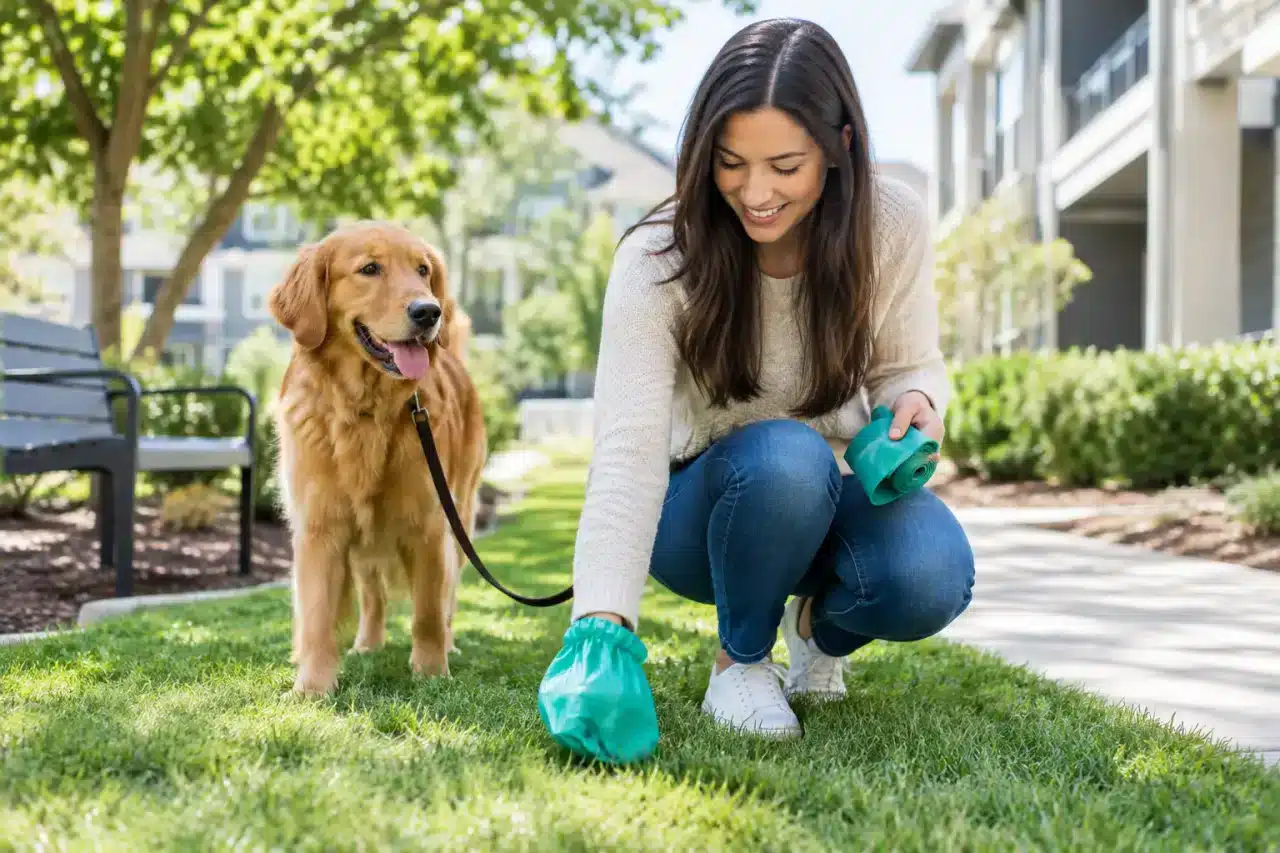
A missed waste bag beside a walking path can seem like a small problem until rain carries it toward a storm drain, a child steps in it near the playground, or residents begin avoiding a shared lawn. In a pet-friendly neighborhood, cleanliness is not just a curb-appeal issue. It affects health, neighbor relationships, property values, and whether residents feel comfortable using the community spaces they pay to maintain. This HOA sanitation guide offers a practical way to set expectations, maintain common areas, and handle pet waste concerns without treating responsible pet owners like the problem.
Start With the Sanitation Problems You Actually Have
An effective policy begins with observation, not assumptions. A large single-family community with wide sidewalks has different needs than a condominium property with elevators, compact dog relief areas, and shared trash rooms. Before adding signs or changing rules, have the board, manager, or grounds team track where sanitation complaints occur for several weeks.
Look for patterns: Are waste stations empty on weekends? Is one entrance lawn being used repeatedly? Are residents leaving bagged waste beside cans that are already full? Does a particular area flood after a Jacksonville downpour? Specific answers make it easier to solve the cause instead of issuing a broad reminder that residents may ignore.
It also helps to separate a true pet-waste issue from a maintenance issue. Overflowing receptacles, broken station hardware, poor lighting, and infrequent grounds service can all discourage proper disposal. Residents should be expected to pick up after their pets, but the association also needs to provide a reasonable way for them to do so.
Build an HOA Sanitation Guide Residents Can Follow
A good sanitation guide uses plain language and explains both the rule and the reason behind it. Residents need to know where waste must be picked up, how it should be bagged, which receptacles may be used, and who to contact when a station needs attention. Keep the message respectful and direct: shared grounds stay clean when every handler removes pet waste immediately and places it in a designated container.
Avoid policies that are so strict they create confusion. For example, requiring owners to carry waste home may sound simple, but it can lead to bags being left along trails if no convenient disposal option exists. In contrast, placing too many stations without a service plan can create overflowing cans and odor. The right approach depends on foot traffic, the number of dogs in the community, landscaping layout, and the association’s maintenance budget.
Your written guide should also distinguish between common areas and private lots. HOAs may have different responsibilities and enforcement options for each, based on governing documents and local requirements. If the community includes leased homes, make sure landlords, tenants, and property managers all receive the same expectations.
Make Rules Visible at the Right Moments
A long policy document is useful for records, but it is not what residents will remember on an early morning dog walk. Short, well-placed reminders work better near paths, dog relief areas, mail kiosks, and community entrances. Pair a simple instruction with a practical cue, such as a station location or contact method for refills.
New-resident welcome materials are another important moment. Include the pet sanitation policy in move-in information rather than waiting for a complaint. This is especially helpful in growing communities such as Nocatee, where new neighbors may not yet know which paths, ponds, and green spaces are HOA-maintained.
Place and Service Pet Waste Stations Thoughtfully
A waste station is only helpful when residents can reach it before they need it. Stations generally belong along frequent walking routes, close to common lawns, and near exits from townhome or condo buildings. They should be visible without blocking sidewalks, landscaping, or sight lines for drivers.
Placement needs balance. A station directly beside a bench or playground can create an unpleasant experience, while one placed too far off the path will be skipped. Communities with ponds or drainage swales should take extra care to position stations away from water edges and areas that routinely hold standing water. Heavy Florida rain can turn a small disposal problem into a larger runoff concern.
Servicing matters as much as placement. Establish who checks bag supplies, who empties containers, how often this happens, and what occurs during holidays or busy travel periods. A station that is routinely empty or overflowing tells residents that sanitation is optional. In larger communities, a recurring pet waste management service may be more consistent than asking a landscaping crew to handle the task between mowing and irrigation work.
Set a Fair Response Process for Complaints
Sanitation enforcement should be consistent, documented, and proportionate. A resident who reports recurring waste should not have to confront a neighbor or investigate who is responsible. Give homeowners a clear reporting channel through the management office, board, or designated property contact, then log the date, location, and nature of the concern.
Start with education when the responsible person is unknown or when a problem appears isolated. A neighborhood-wide reminder can address an issue without embarrassing anyone. If there is a documented repeat violation tied to a specific household, follow the notice and fine procedures in the association’s governing documents. Apply the same process to every resident.
Be careful not to turn sanitation rules into pet restrictions by another name. Communities should account for reasonable access needs and avoid targeting residents based on the type, size, or role of their animal. When questions involve service animals, accommodation requests, or local ordinance requirements, the board should consult its manager or qualified legal counsel before acting.
Keep Common Areas Clean Beyond Dog Waste
Pet waste is often the most visible sanitation concern, but it is not the only one. Shared trash rooms, breezeways, elevators, sidewalks, and amenity lawns need a coordinated plan. Leaking trash bags, food left outdoors for animals, dirty litter containers placed in common dumpsters, and pet urine in enclosed corridors can all create odor and pest concerns.
The solution is usually a combination of clear disposal guidance and dependable cleaning routines. Residents should use sealed bags for household pet waste and avoid leaving litter, bedding, or bulky pet items beside community containers. Maintenance teams should know how to document recurring spills, remove waste safely, and flag repairs such as damaged dumpster lids or poor drainage.
For condo and townhome communities, odor complaints deserve a timely response. The source may be a shared hallway, a trash chute, a private patio, or an uncollected waste container. Address the condition first, then determine whether a rule reminder, cleaning adjustment, or individual follow-up is appropriate. Prompt action prevents a small concern from becoming a dispute among neighbors.
Give Residents a Practical Role in the Plan
The best sanitation programs make responsible behavior easy and visible. Encourage residents to carry extra bags, use designated bins, report depleted stations, and clean up accidents in shared spaces right away. At the same time, recognize that busy families, older adults, and residents recovering from illness may sometimes need hands-on support.
That is where scheduled pet waste removal can help. A dependable service can keep private yards usable between HOA landscaping visits, reduce missed pickups during travel, and support households with multiple dogs or limited mobility. For communities around Jacksonville Beach and Ponte Vedra Beach, where outdoor living is part of daily life, cleaner yards and walking routes also make it easier for neighbors and pets to enjoy the property together.
Lucky Dog Pet Care provides residential and commercial pet waste management alongside in-home pet care, giving local households and property teams one responsive contact for regular sanitation needs. The value is not simply a cleaner lawn. It is the consistency of knowing the task is handled on schedule.
Review the Plan as the Community Changes
An HOA sanitation plan should not sit untouched for years. Review complaint records, station use, service costs, and resident feedback at least annually. A new building phase, a busier walking trail, or a change in waste hauler can make a once-effective setup less practical.
Small adjustments often have the biggest impact: moving one station closer to a popular route, increasing service after holiday weekends, replacing unclear signage, or reminding new residents about the policy. When the association maintains the system and residents see a fair standard applied, clean shared spaces become a normal part of community life rather than a recurring source of frustration.
A thoughtful sanitation plan gives pet owners a clear path to do the right thing and gives every neighbor a cleaner place to come home to.