

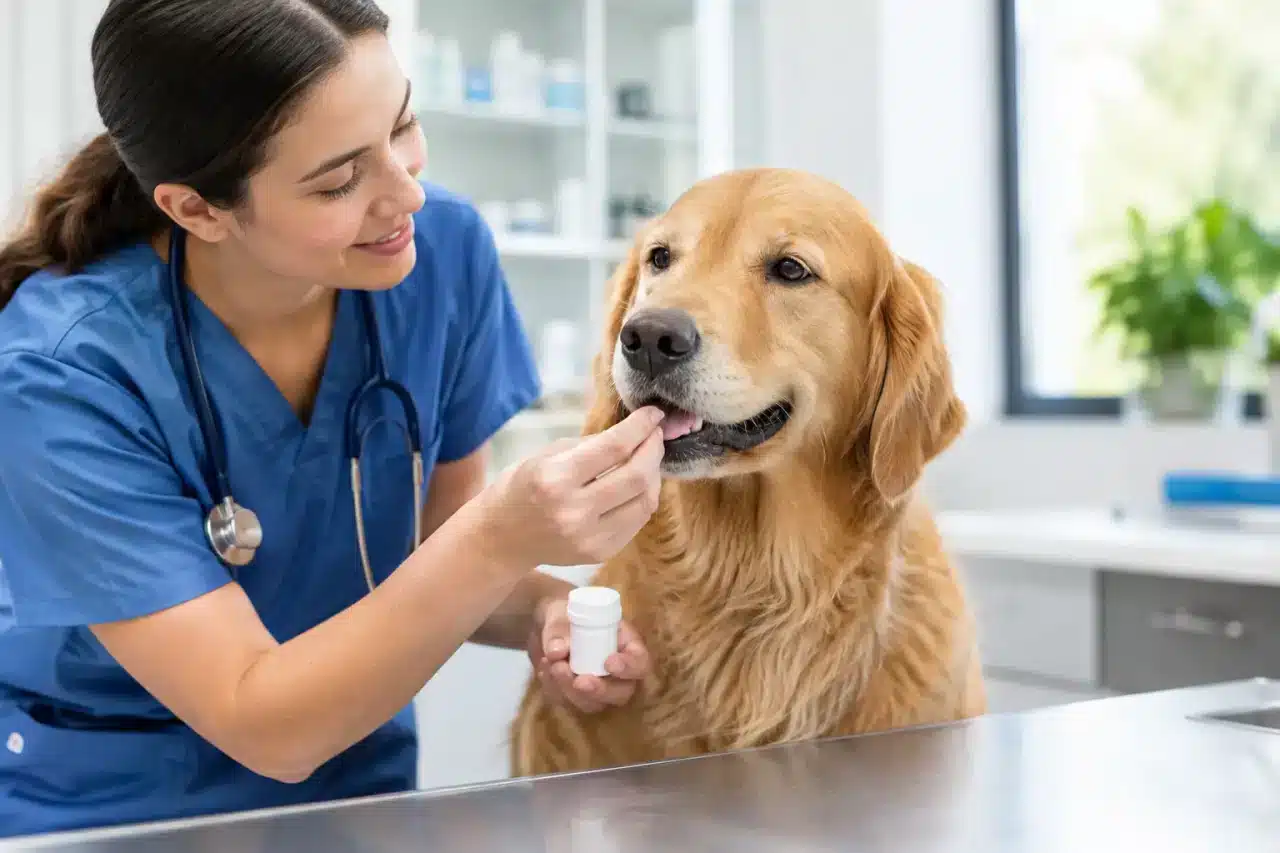
A pill tucked into breakfast may be simple when everyone is home. It can become the most stressful part of the day when a work meeting runs late, a flight is delayed, or a senior pet needs medication at a specific hour. Pet medication visits provide dependable, in-home support for that routine, helping pets receive prescribed medications in the comfort of the place they know best.
For many Jacksonville households, medication care is not an occasional favor. It is part of daily life with an aging dog, a cat managing a chronic condition, or a pet recovering after veterinary treatment. The right care plan keeps the process calm, consistent, and clearly documented, so owners do not have to choose between their responsibilities and their pet’s needs.
Why Pet Medication Visits Matter at Home
Pets often respond better to care when their surroundings stay familiar. A dog can take medication after a normal backyard break and meal. A cat can receive a prescribed pill or topical treatment without the extra stress of a car ride, a kennel, or a changed feeding schedule. Maintaining routine also makes it easier for a caregiver to notice when something is different.
Timing matters, too. Some medications need to be given with food, separated from other medicines, or administered at regular intervals. A missed or delayed dose may be more than an inconvenience, particularly for pets being treated for pain, anxiety, thyroid conditions, infections, or other ongoing health needs. A scheduled visit gives families a practical layer of support when they are at the office, away for the day, or traveling.
Medication visits are also about observation. A hands-on caregiver can watch for whether a pet ate before a medication that requires food, whether water levels are normal, whether a dog is moving comfortably, or whether a cat is hiding more than usual. These small details are useful to owners and can help them decide when to contact their veterinarian.
What a Medication Care Visit Can Include
Every pet’s veterinary instructions should guide the visit. Before service begins, owners should provide the medication in its original labeled container, the prescribed dose and schedule, administration instructions, and current veterinary contact information. Clear written directions reduce guesswork and help protect pets from avoidable mistakes.
A typical in-home visit can include administering oral medication, topical treatment, or other owner-approved medication that the caregiver has been trained and instructed to provide. It may also include feeding, refreshing water, a potty break or dog walk, litter box care, and quiet companionship. For a pet who is reluctant to take a pill, the plan may include the approved treat, pill pocket, or food method that works best at home.
The visit should never be treated as a rushed drop-in. Some pets need a few minutes to settle before medication is offered. Others need to be observed afterward to make sure they have swallowed a pill rather than tucked it into a cheek or carried it under the couch. Cats, especially, can be experts at making a medication disappear without actually taking it.
A dependable caregiver should record the visit and communicate any relevant details: medication given, meals eaten, bathroom habits, mood, and anything unusual noticed during care. That update gives owners a clear picture of the day rather than a vague assurance that someone stopped by.
What In-Home Care Does Not Replace
Pet sitters and dog walkers support the routine your veterinarian has established. They do not diagnose illness, change a prescription, recommend a different dose, or make medical decisions on behalf of the owner. If a pet refuses medication, vomits after a dose, appears distressed, or shows new symptoms, the appropriate next step depends on the veterinarian’s instructions and the severity of the situation.
This distinction matters because responsible medication care combines compassion with good boundaries. A caregiver can follow directions closely, monitor a pet, and contact the owner promptly. Medical questions belong with the veterinary team that knows the pet’s history and treatment plan.
Building a Safer Routine Before You Leave
The best medication visit begins before the first scheduled appointment. Meet-and-greet time allows the caregiver to learn the pet’s normal behavior, see where supplies are stored, and practice the owner’s preferred routine. It is also the right time to discuss access to the home, alarm procedures, walking equipment, feeding portions, and emergency contacts.
Keep instructions specific. “Give one pill twice a day” is helpful, but “give one tablet at 7:00 a.m. and 7:00 p.m. after half a can of food, followed by a small treat” is much better. Note whether the medication can be hidden in food, whether gloves are required, and what to do if the pet will not cooperate. If a medication must be refrigerated, identify its location and make sure it is clearly separated from other household items.
It is wise to leave enough medication for the entire service period plus a small cushion for travel delays. Check refill dates before a long trip. Owners who are leaving town should also let their veterinarian know that a pet sitter will be providing routine care and confirm the clinic’s preferred process if an urgent question arises.
For pets with multiple medications, a written chart can prevent confusion. Include the medication name, amount, time due, method of administration, and any food instructions. Pre-sorted doses may be useful when approved by the prescribing veterinarian, but original labels should remain available. The simpler and clearer the system, the safer it is for everyone.
Choosing the Right Visit Schedule
There is no one schedule that fits every household. A healthy adult dog with one daily medication may need a morning visit paired with breakfast and a walk. A pet taking medicine every 12 hours may need morning and evening care, especially during an owner’s business trip. A puppy recovering from a procedure may need more frequent visits for potty breaks, meals, and observation.
Consider the full routine, not medication alone. A dog that needs a midday pill may also need relief from a long workday, fresh water, and a chance to stretch. A cat receiving medication while the family is away may need litter care, playtime, and reassurance that its home remains quiet and familiar. Combining these needs into one thoughtful care plan is often more comfortable for the pet and more efficient for the owner.
This can be especially helpful for professionals commuting from Jacksonville Beach or families balancing school, activities, and long days in Nocatee. Reliable visits mean a pet’s needs do not have to wait until someone gets home after dark.
Questions to Ask Before Scheduling Care
A short conversation can reveal whether a service is prepared for the responsibility of medication support. Ask how the caregiver documents doses, how they handle a pet that refuses a medication, and how quickly they communicate concerns. It is also reasonable to ask whether they can accommodate the timing your prescription requires and whether a meet-and-greet is available before the first visit.
Owners should be candid about their pet’s behavior. A fearful cat, a dog with a history of guarding food, or a pet that becomes anxious around strangers may need a slower introduction and a customized approach. Hiding these details does not make care easier. Sharing them allows the caregiver to prepare thoughtfully and avoid pushing a pet beyond its comfort level.
Trust is built through consistency. The caregiver should arrive within the agreed visit window, follow the written plan, respect the home, and provide honest updates. Lucky Dog Pet Care approaches medication visits as part of the larger commitment of keeping pets safe, comfortable, and cared for at home.
When a Pet’s Needs Change
A medication plan can change quickly after a vet appointment, surgery, or a new diagnosis. Notify your caregiver as soon as possible when a dose, schedule, or administration method changes. Provide updated written instructions rather than relying on a text sent in a hurry, and remove discontinued medications from the care area to reduce confusion.
Pay attention to changes that may require more than a standard visit. If your pet has become weak, is eating poorly, needs frequent bathroom breaks, or is having trouble taking medication, discuss the situation with your veterinarian and reassess the care schedule. Sometimes an extra visit, overnight care, or direct veterinary support is the better choice.
The goal is not simply to check a box that a dose was given. It is to preserve the steady, familiar rhythm that helps a pet feel secure while you are away. With clear instructions, thoughtful preparation, and a caregiver who pays attention to the small things, medication time can remain one calm part of your pet’s day.