

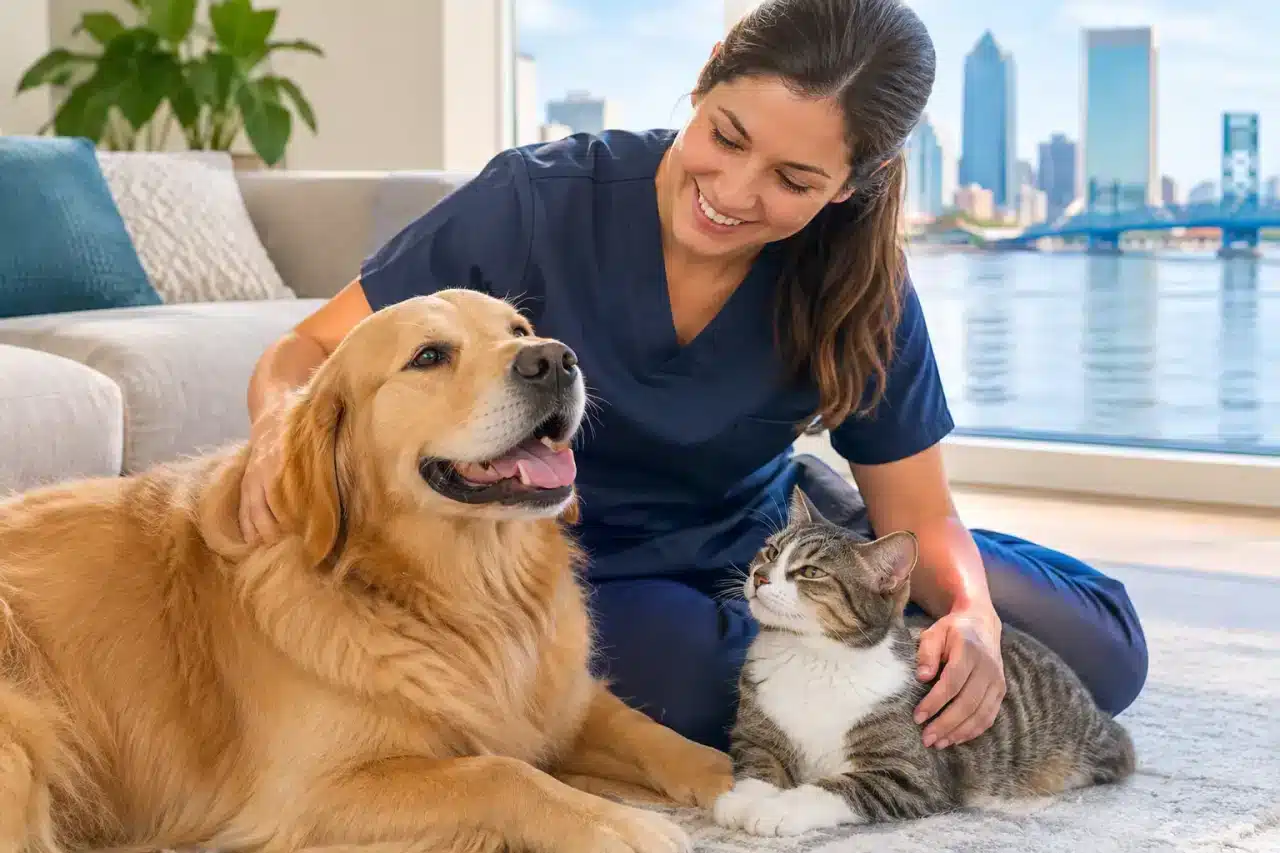
A dog who expects a midday walk does not understand a packed work calendar. A cat who eats at 6 p.m. does not adjust easily because the family is leaving for a long weekend. That is where Jacksonville in home pet care makes a meaningful difference: it gives pets dependable attention without asking them to leave the place where they feel most secure.
For many households, the best care arrangement is not one-size-fits-all boarding. It is a practical plan built around feeding times, outdoor breaks, medications, favorite sleeping spots, litter care, and the small habits that help a pet feel safe. The right plan also gives owners confidence that someone is paying attention to the home while they are away.
When Jacksonville In-Home Pet Care Is the Better Fit
In-home care is especially helpful for pets that are happiest with familiar surroundings. Senior dogs may need more frequent potty breaks, shorter walks, or help getting comfortable. Puppies may need structured outdoor time and consistent reinforcement of house-training routines. Cats often do better at home, where their litter box, hiding places, and daily environment stay the same.
There is also a home-side benefit. A pet care visit can include bringing in packages, checking that doors are secure, rotating lights when requested, and noticing an issue before it becomes a bigger problem. For a homeowner traveling for business, that extra layer of attention can be just as valuable as knowing the dog has been fed and walked.
Boarding can be a good choice for some social, adaptable dogs, particularly when owners prefer a facility setting. But boarding also involves transportation, unfamiliar sounds and smells, exposure to other animals, and a change in routine. In-home care removes those transitions. Whether it is the better choice depends on the pet, the household schedule, and the type of support needed.
Start With Your Pet’s Actual Routine
Good pet care begins with details, not assumptions. A quick visit for one dog may mean a brisk walk, fresh water, and a little playtime. For another, it may mean a slow neighborhood stroll, a medication reminder, cleanup after an accident, and quiet companionship before the caregiver leaves.
Before scheduling care, think through the routine your pet follows on an ordinary weekday. Consider when meals are served, how often outdoor breaks are needed, whether your dog is comfortable meeting new people, and what signs indicate stress or discomfort. A detailed care plan should account for feeding instructions, allergies, medications, leash preferences, crate routines, litter box needs, and emergency contacts.
This is particularly useful in multi-pet households. A young, energetic dog and an older cat may need entirely different forms of attention during the same visit. Clear instructions allow a caregiver to provide individualized care instead of treating every pet as if they have the same needs.
Daily Dog Walks Bring More Than Exercise
A midday walk can change the rhythm of a dog’s entire day. It gives working dogs a needed bathroom break, helps reduce pent-up energy, and provides mental stimulation through movement, scents, and a change of scenery. For many Jacksonville households, it also prevents the long stretch between the morning rush and the evening return home.
The ideal walk length depends on the dog. A healthy adult dog may benefit from a more active outing, while a senior pet may need a slower pace and extra time to sniff. Summer heat and afternoon storms also matter in Northeast Florida. A thoughtful dog walking plan considers pavement temperature, humidity, shade, hydration, and a pet’s breed, age, and tolerance for warm weather.
Consistency matters as much as mileage. Dogs settle more easily when they know what to expect. Regularly scheduled visits can support better behavior at home, especially for pets who become restless, vocal, or destructive when left alone too long.
Pet Sitting Should Cover the Whole Household
Vacation pet sitting is not simply placing food in a bowl and leaving. It should provide the normal care your pet depends on: meals served as instructed, water refreshed, outdoor time, litter maintenance, affectionate attention, and observation of changes in behavior or appetite.
A dependable sitter also pays attention to the household. That may include checking gates, bringing in mail or deliveries, confirming the air conditioning is running, and making sure the property looks lived in. Those details are helpful for homeowners in communities such as Ponte Vedra Beach or Nocatee, where travel may leave a home empty for several days at a time.
Overnight and extended care can be particularly useful for pets that struggle with separation, need close monitoring, or are accustomed to having someone home in the evening. It is not necessary for every pet, and shorter visits may be completely appropriate for a confident cat or an independent dog. The important thing is matching the level of care to the animal rather than choosing based only on convenience.
Make the First Visit Easier for Everyone
The best time to explain a pet’s routine is before a rushed departure day. A meet-and-greet allows the caregiver to learn the layout of the home, meet the pets, review entry instructions, and hear about the details that do not always fit neatly into a text message.
Owners should be prepared to share feeding amounts, medication instructions, veterinary contact information, emergency contacts, and information about any fear triggers. Let the caregiver know if a dog reacts to delivery trucks, skateboards, other dogs, or unfamiliar visitors. If a cat tends to hide when new people arrive, say where the cat is most likely to go and how to approach without causing additional stress.
It also helps to keep supplies easy to find. Leashes, waste bags, food, treats, cleaning products, carriers, and medications should be clearly labeled and placed in a consistent location. A practical setup saves time during each visit and lets the caregiver focus on the pet.
Look for Dependability, Not Just Availability
Pet care is personal, but it is also a responsibility that requires good communication and follow-through. A provider should be comfortable asking questions, following written instructions, and communicating clearly about scheduling, visit needs, and any concerns that arise.
Look for someone who understands that a missed visit is not a minor inconvenience. It can affect a pet’s comfort, health, and safety. Punctuality matters for a puppy waiting for an outdoor break, a senior dog on a medication schedule, or a cat who becomes anxious when meals are late.
It is also reasonable to ask how the provider handles changes. Flights are delayed, workdays run long, and Florida weather can shift quickly. A local service with clear communication can help owners adjust a care plan when circumstances change. Lucky Dog Pet Care approaches each household with that practical, hands-on mindset, combining pet visits with home-support details when they are needed.
Do Not Overlook Cleanliness and Waste Care
Pet care includes the less glamorous parts of pet ownership. A clean yard makes daily outdoor time more pleasant for dogs and safer for children, guests, and neighbors. Regular pet waste removal can be especially helpful for busy families, seniors, rental properties, and homes with multiple dogs.
Inside the home, sanitation matters too. Fresh water bowls, clean litter areas, prompt cleanup of accidents, and attention to muddy paws all support a healthier, more comfortable environment. These tasks may seem small, but they are part of the dependable care that keeps a household running smoothly.
A Care Plan Should Feel Personal and Practical
The right in-home care plan gives pets familiar comfort while giving owners room to work, travel, recover from a busy season, or simply get through a demanding week. It should fit the real household, from a single cat needing daily check-ins to a busy family with two dogs, a backyard, and a trip already on the calendar.
When care is planned around your pet’s normal life, coming home feels better for everyone. Your pet has been seen, fed, exercised, and cared for in the place they know best, and your home has not been left entirely unattended. That kind of steady support is often the simplest way to keep both pets and people comfortable.