

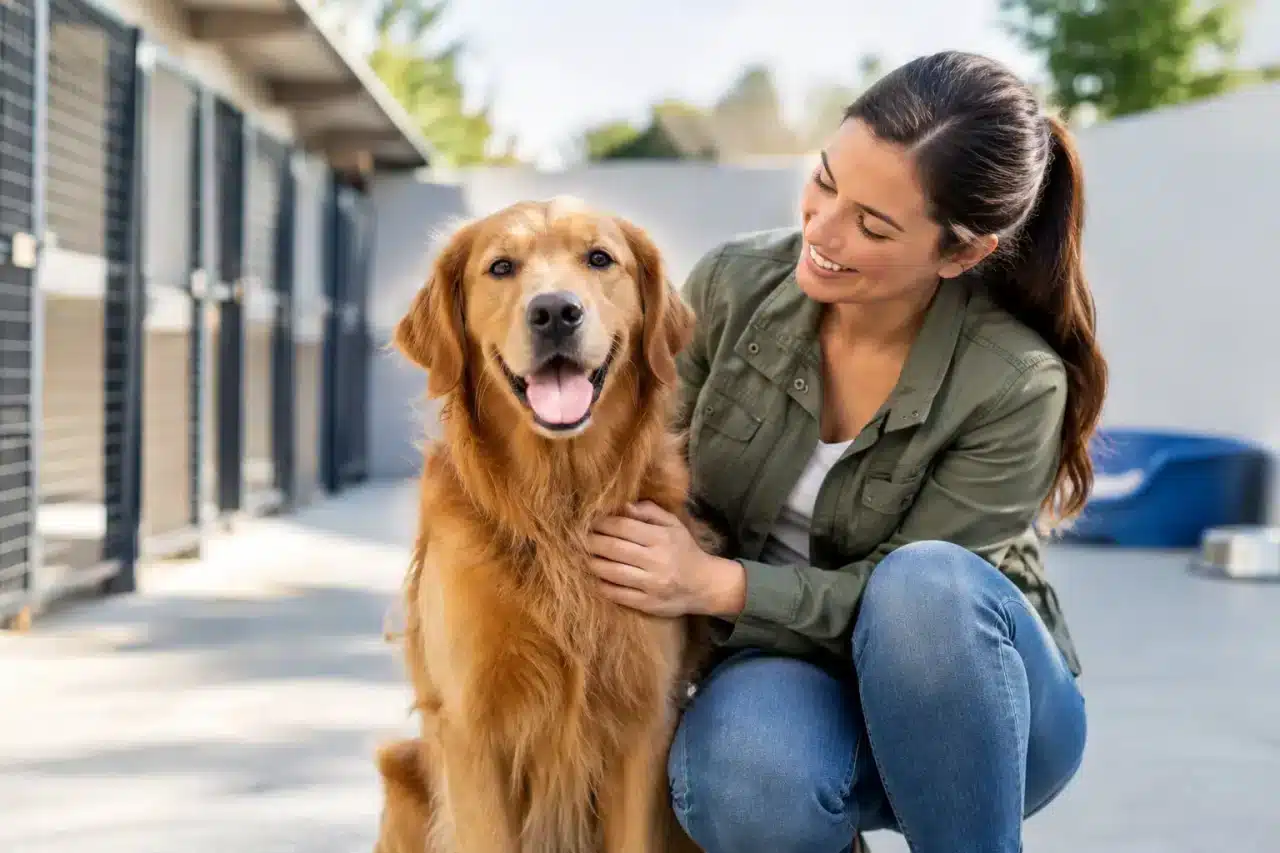
A business trip, family vacation, or long hospital day can bring up the same hard question: where will your dog be happiest while you are away? Dog boarding is a familiar option, but it is not automatically the best fit for every pet or household. The right choice depends on your dog’s temperament, health, routine, and how much change they can comfortably handle.
For many Jacksonville families, the answer is not simply finding a place with an open kennel. It is finding dependable care that keeps feeding, walks, medication, companionship, and home security from becoming another source of worry.
What Dog Boarding Can Offer
Dog boarding can be a sensible choice for social, adaptable dogs that enjoy being around other people and dogs. A well-run boarding facility may provide supervised play, scheduled meals, secure overnight housing, and staff on site around the clock. For a healthy adult dog who settles easily in new environments, that structure can be reassuring.
Boarding may also be practical when a dog needs a highly managed setting or when a household will be inaccessible for an extended period. Some facilities offer add-ons such as individual playtime, grooming, training sessions, or special feeding arrangements. These options can be helpful, but owners should ask what is actually included in the daily rate and what care is shared among many animals.
The key is to look beyond the building. Ask how staff monitor dogs overnight, whether dogs are grouped by size and play style, how often they are taken outside, and what happens if your dog becomes stressed or ill. A clean lobby and cheerful photos are nice, but consistent handling and clear communication matter much more.
When Dog Boarding May Be a Poor Fit
A boarding stay asks a dog to adjust to unfamiliar sounds, smells, people, schedules, and other animals all at once. Some dogs manage that transition well. Others become anxious, stop eating normally, have digestive upset, bark excessively, or struggle to rest.
Puppies still learning house-training habits, senior dogs with mobility limitations, and pets taking daily medication often need more individual attention than a busy facility can reasonably provide. Dogs who are fearful, reactive, recently adopted, recovering from illness, or sensitive to noise may also find the experience overwhelming.
There is a household side to consider as well. Boarding cares for the pet away from home, but it does not bring in mail, rotate lights, check for a leaking faucet, water a few outdoor plants, or notice if a storm has moved patio furniture. During hurricane season and summer afternoon storms in Northeast Florida, a lived-in appearance and routine home checks can offer meaningful peace of mind.
The Value of In-Home Pet Care
In-home pet care keeps your dog in the place they know best. Instead of adjusting to a kennel schedule, your dog can wake up in their own bed, eat from their usual bowl, take familiar neighborhood walks, and rest in a calmer environment. That consistency can be especially valuable for pets that thrive on predictability.
A professional sitter can tailor visits around the household’s real routine. A young dog may need a morning potty break, a midday walk, dinner, active play, and a final evening outing. A senior dog may need slower walks, medication, fresh water checks, and help getting comfortably settled for the night. Cats, birds, and other household pets can receive care too, without being uprooted from their spaces.
In-home care is also not one-size-fits-all. Some dogs are comfortable with several scheduled drop-in visits each day. Others do best with extended care or overnight pet sitting, particularly when they are used to having people nearby after dark. The appropriate plan depends on your pet, not just the dates on the calendar.
For owners in Jacksonville Beach or Ponte Vedra Beach, in-home care can be particularly convenient during travel seasons, when traffic and boarding drop-off logistics add pressure to an already busy departure day. A care plan that starts at home allows families to leave without adding an unfamiliar stop for their dog.
How to Decide What Your Dog Needs
Start with your dog’s behavior, rather than the option that seems most common. Think about previous experiences away from home. Does your dog happily settle with new people, or do they become withdrawn and unsettled? Do they enjoy the company of other dogs, or do they prefer quiet one-on-one attention?
Next, consider the daily details. A dog with a strict diet, medication schedule, separation anxiety, mobility issue, or frequent bathroom needs may benefit from personalized in-home support. If your dog is highly social, healthy, confident, and already familiar with a particular facility, boarding may remain a comfortable choice.
Your own travel schedule matters too. A delayed flight, long drive, or unexpected change is easier to manage when a local caregiver can continue care at your home. Reliable communication is essential in either setting. You should know who is caring for your dog, how they will handle an emergency, and how you will receive updates while away.
Questions to Ask Before You Book Care
Whether you choose boarding or a pet sitter, ask direct questions before committing. Find out how feeding instructions, medications, behavior concerns, and veterinary emergencies are documented. Ask about staff experience, backup coverage, and the process if your trip runs longer than planned.
For boarding facilities, ask to see the sleeping areas and outdoor spaces. Confirm whether dogs are left alone overnight, how group play is supervised, and whether dogs have quiet breaks during the day. A good facility should be comfortable answering these questions clearly.
For in-home care, ask what each visit includes. A dependable visit should address more than opening the back door. It may include feeding, fresh water, a walk or yard time, play and companionship, medication when needed, litter or waste cleanup, and a check of doors, lights, and other household essentials. Request clarity around visit timing, overnight expectations, and updates.
A meet-and-greet is useful before either arrangement. It gives your dog a chance to meet the caregiver while you are present, and it allows you to share practical details such as leash habits, hiding places, alarm instructions, feeding portions, and the name of your veterinarian.
A Care Plan That Supports the Whole Household
The best pet care arrangement should make life easier for both you and your animals. For a multi-pet home, keeping everyone together can reduce disruption and simplify care. For a dog that needs weekday attention as well as vacation coverage, working with one trusted local provider can create a more consistent routine.
Lucky Dog Pet Care builds care around the details that matter at home: walks, feeding, fresh water, companionship, waste cleanup, and property checks. That approach can be a practical alternative to dog boarding for pets who are safer, more comfortable, and more themselves in familiar surroundings.
Before your next trip, take a few minutes to picture your dog’s normal day from breakfast to bedtime. The care choice that preserves the most comfort, safety, and routine is often the one that lets everyone rest easier while you are away.